
I have always been a dedicated user of stable operating systems, starting with Xenix and going through all the evolutions since.
Active supporter of the Linux Foundation, thus I have a life-time e-Mail address:
tjack@linux.com
My very first host on the Internet in 1985, connected via automatic dial-up through Telebit T2500 modems at 19,200 bps on the PEP protocol, ran SCO Xenix on a 80286-based Compaq computer with 4 MB RAM and a 20 MB HDD. The host name for it was “TJACK” (my initials) – and through this machine (hooked up to 4 telephone lines) I was my hometown’s first ISP.
- IBM XENIX (1984)
- SCO XENIX (in the mid-to-late 1980s, Xenix was the most common Unix variant)
- SINIX
- AT&T UNIX
- SCO SystemV UNIX
- BSD
- and LINUX in all its flavors – including Xenialpup
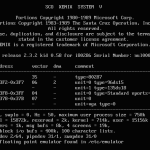

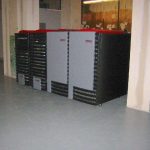
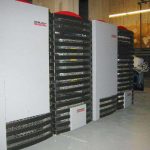
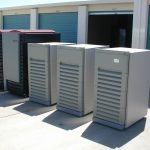
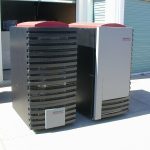
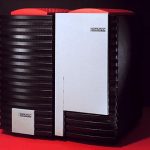
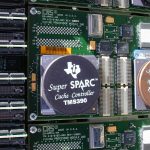
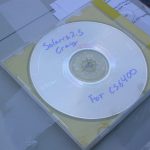
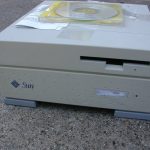
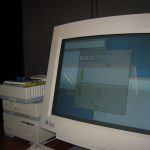
 In fact, it went so smoothly I was completely stunned; I mean, after flipping on the breaker the control board lit up and the JTAG interface came alive; hostview immediately refreshed itself with the machine’s configuration; both power supplies then powered on, bringup ran and the machine sailed through POST, OBP output popped up on the CVC, and boot net worked the first time. Damn, it was almost like I knew what I was doing, eh? I was born to admin big-ass 64-way SPARCs!
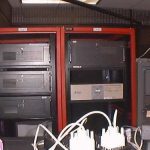
Sometimes size doesn’t matter – that big hulking cabinet is a diskless client of the tiny little SparcClassic on the desk. If I had lugged the 1,000lb I/O cabinet down here I could have just let the Jumpstart finish, but I bailed out to the shell and poked around… so cool. So very, very cool. (Yeah, I’ve got perm-a-grin, and I’m all giddy. What a complete dork!)
Right. Since I have no network connection to the outside world down in the basement (and didn’t think to bring a floppy with me… remember floppies?) all I got was a snapshot of the first “prtdiag” output, and this shot of hostview running on the SSP. I’ll get more specs and photos up on subsequent runs in the next few days. The next set of tests will be to try out the other 5 system boards and verify that they’re working, and to populate a board exclusively with the Sun-labeled 68-pin memory (501-2196) and test compatibility… just one step closer to total world domination!


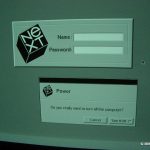
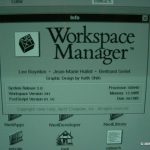
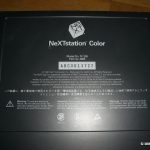
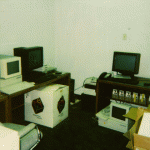
This is *my* NeXt cube booting – Cooper was kind enough to take the time to record it  … my voice at 5:15 into the clip.
[Recording on 24 AUG 2008 in Dallas, Texas – The Cube itself and the Postscript (!) Display Monitor are shown at the end, too]
The First Web Server EVER ran on a NeXt Cube (at CERN) and without the (BCD-based) NeXT OS developed for the cube first, there would not be any Mac OS X today (it’s just another BSD Unix version with an Aqua interface … we all know that – and this way Steve Jobs liked it and so it was adopted to NeXT and then Apple again).